
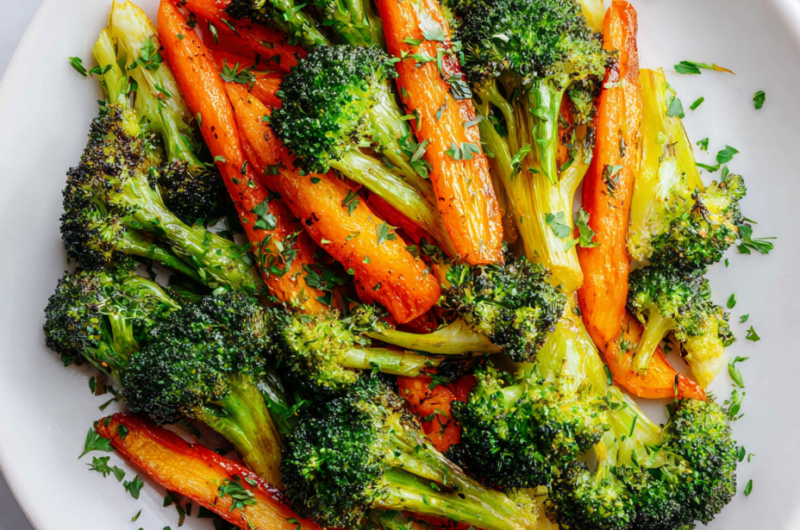
Roasting isn’t just about cooking vegetables; it’s about unlocking their hidden depths. Broccoli and carrots, when roasted, transform from everyday sides into something deeply satisfying, almost caramelized and smoky. It’s a simple trick that turns humble ingredients into a craving-worthy dish that’s perfect for busy weeknights or lazy weekends.
There’s a quiet magic in the way the heat draws out the natural sugars of these vegetables, giving them a tender, slightly charred edge. The smell alone—warm, sweet, with a hint of smoky richness—makes the kitchen feel cozy and inviting. It’s a reminder that the simplest cooking methods often shine the brightest.
This recipe is about embracing that transformation, about making vegetables feel special without fuss. It’s honest, unpolished, a bit rustic—just like how I like to cook when I want real comfort and flavor that sticks with you.
Focusing on how roasting enhances the natural sweetness and smoky depth of broccoli and carrots, turning simple vegetables into a comforting, crave-worthy side.
The story behind this recipe
- This recipe came from a messy Sunday in the kitchen, where I was trying to use up a bunch of vegetables before they wilted. I’ve always loved roasting because it’s forgiving—no fuss, no exact timing, just patience and high heat. The smell of caramelized broccoli and sweet carrots bubbling in the oven felt like a quiet victory, a simple reminder that good food doesn’t have to be complicated.
- One afternoon, I threw these vegetables on the tray almost by accident, not expecting much. But that first bite—smoky, tender, with a hint of char—made me realize how roasting can elevate humble ingredients into something unexpectedly special. Now, I keep this dish around as my go-to whenever I want something honest and satisfying, no fuss needed.
- story_type
Ingredient breakdown: key components
- Broccoli: I love the way fresh broccoli florets turn tender yet still slightly crisp, with smoky edges. If yours looks pale, crank up the oven or roast a little longer.
- Carrots: Their natural sweetness really shines when roasted; I prefer using thick-cut sticks for max caramelization. Thin slices can dry out or burn quickly, so watch closely.
- Olive oil: I use good extra-virgin for that rich, fruity aroma and a nice, even coating. If you want less fuss, a drizzle of avocado oil works almost as well, with a lighter flavor.
- Garlic: When I toss whole cloves in, they get mellow and slightly roasted—add a gentle aroma. For a sharper punch, mince and toss in during the last 10 minutes.
- Salt & pepper: I sprinkle generously—vegetables need that punch to bring out their natural sweetness. If you’re watching sodium, try a smoked salt for extra depth.
- Herbs (optional): A sprinkle of thyme or rosemary adds an herbal note. Fresh herbs go on after roasting; dried can be added before for a subtle infusion.
- Lemon juice or vinegar: A splash right after roasting brightens everything up with a zingy, lemony shimmer or tangy bite. Skip if you prefer a more earthy flavor.
Spotlight on key ingredients
Broccoli:
- I love how fresh florets turn tender yet keep a slight crunch, with smoky edges. If yours stay pale, give them a bit longer or higher heat.
- Carrots: Their natural sweetness really pops when roasted; thick sticks are best for caramelization. Thin slices dry out quickly—keep an eye on them.
Olive oil & garlic:
- Olive oil: I prefer a good extra-virgin for that fruity aroma and even coating. If you want lighter flavor, swap with avocado oil—less robust but still effective.
- Garlic: Whole cloves mellow and develop a roasted aroma, adding depth. Mince and toss in during the last 10 minutes for a sharper punch.
Notes for ingredient swaps
- Dairy-Free: Skip butter or cheese—focus on the smoky, caramelized flavors from roasting. A squeeze of lemon can brighten without dairy.
- Oil Options: Use avocado or grapeseed oil instead of olive—each brings a neutral or subtly nutty flavor, with a higher smoke point.
- Sweeteners: Drizzle honey or maple syrup after roasting for extra glaze. For a more earthy tone, try a splash of balsamic vinegar.
- Herbs & Seasonings: Fresh thyme or rosemary add bright, aromatic notes. Dried herbs work in a pinch, but fresh herbs bring more vibrancy.
- Acid Boost: Swap lemon juice for apple cider vinegar or sherry vinegar—each adds a different tangy depth, brightening the dish.
- Vegetable Choices: Cauliflower or Brussels sprouts roast similarly—keep an eye on cooking times, as size and texture vary.
- Salt & Pepper: Smoked salt adds a subtle smoky punch, while sea salt gives a delicate crunch—adjust to taste.
Equipment & Tools
- Large rimmed baking sheet: Provides even roasting space for vegetables
- Mixing bowl: Toss vegetables evenly with oil and seasonings
- Chef’s knife: Cut vegetables into uniform pieces
- Spatula or tongs: Toss vegetables during roasting for even caramelization
Step-by-step roasting guide
- Preheat oven to 220°C (430°F). Use a large rimmed baking sheet—big enough so vegetables aren’t crowded, or they’ll steam instead of roast.
- Cut broccoli into bite-sized florets, about 2-3 cm (1 inch). Peel carrots if thick, then slice into sticks about 1 cm (0.4 inch) thick. Keep pieces uniform for even cooking.
- In a large bowl, toss vegetables with 2-3 tablespoons olive oil until evenly coated. Add 1 teaspoon salt and a good grind of black pepper. Toss again.
- Spread vegetables in a single layer on the baking sheet. Leave space between pieces—crowding causes sogginess, not roasting.
- Roast in the oven for 20-25 minutes. Halfway through, toss vegetables gently to promote even caramelization. Keep an eye for charring around edges.
- Check for doneness: edges should be deeply golden, vegetables tender but still holding shape. The smell will be sweet and smoky, with a slight nutty aroma.
- If vegetables seem dry or burnt around edges, reduce oven temperature to 200°C (390°F) and roast for a few more minutes. For underdone, add 5 more minutes.
- Remove from oven and sprinkle with optional fresh herbs or a squeeze of lemon juice. Let rest 2 minutes before serving—flavors meld and cool slightly.
- For serving, transfer to a platter, drizzle with a little extra oil or lemon if desired, and enjoy that smoky, sweet aroma.
Let the roasted vegetables rest for 2 minutes to allow flavors to settle. Serve directly from the baking sheet or transfer to a platter, drizzled with extra lemon or herbs if desired. The slight char and caramelized edges will still shimmer with flavor.
How to Know It’s Done
- Edges are deeply golden and slightly charred.
- Vegetables are tender when pierced with a fork.
- Smell releases a warm, smoky sweetness with caramel notes.
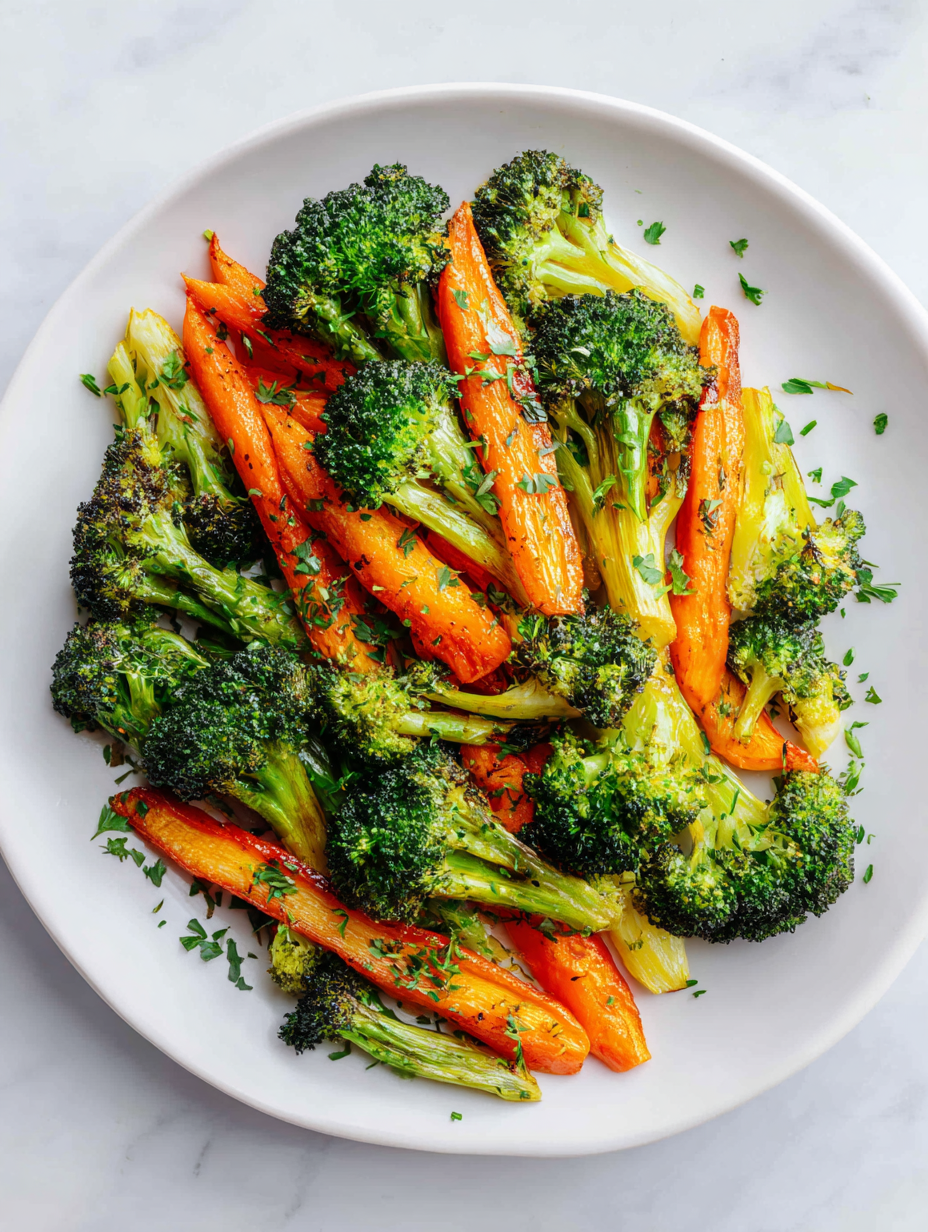
Roasted Broccoli and Carrots
Ingredients
Equipment
Method
- Preheat your oven to 220°C (430°F) and line a large baking sheet with parchment paper for easy cleanup.
- Prepare the vegetables by cutting the broccoli into bite-sized florets and peeling the carrots before slicing them into sticks about 1 cm (0.4 inch) thick. Keep the pieces uniform for even roasting.
- In a mixing bowl, toss the broccoli and carrots with olive oil until they are evenly coated, then sprinkle with salt and black pepper, tossing again to distribute evenly.
- Spread the vegetables out in a single layer on the prepared baking sheet, making sure not to crowd them so they can roast properly and develop those beautiful caramelized edges.
- Roast in the oven for about 20-25 minutes, tossing gently with a spatula or tongs halfway through. Keep an eye on them — edges should turn deep golden and slightly charred.
- While roasting, peel and slightly crush the garlic cloves if using whole, or mince if you prefer a sharper flavor. Add the garlic during the last 10 minutes of roasting for gentle caramelization.
- Once the vegetables are tender and deeply caramelized around the edges, remove the tray from the oven and drizzle with lemon juice or vinegar if desired, tossing gently to coat.
- Sprinkle with fresh herbs if using, and serve warm — the vegetables should be tender yet slightly crisp, with smoky, caramelized flavors and a tempting aroma filling the kitchen.
Notes
Pro tips for perfect roasted vegetables
- Use high heat—220°C (430°F)—for deep caramelization and smoky edges.
- Toss vegetables halfway—around 10 minutes in—to ensure even charring.
- Keep an eye on thin carrots—less than 1 cm thick—they can burn quickly.
- Check for tenderness—pierce with a fork—before removing from oven.
- For extra flavor, sprinkle fresh herbs or a squeeze of lemon immediately after roasting.
- Use a large enough tray—overcrowding causes steaming, not roasting—to get that crispy texture.
Common roasting mistakes and how to fix them
- FORGOT to preheat oven → Always start with a hot oven for even roasting.
- DUMPED too many vegetables on tray → Spread vegetables in a single layer, avoid crowding.
- OVER-TORCHED edges → Reduce heat or roasting time; aim for golden, not charred, edges.
- MISSED flipping halfway → Toss vegetables halfway through for uniform color and tenderness.
Quick fixes and pantry swaps
- If vegetables are soggy, increase oven temperature and spread them out more.
- When vegetables burn around edges, reduce heat and check earlier next time.
- Splash a little water if vegetables stick or char excessively; adds quick steam.
- Patch over uneven roasting by tossing and returning to oven for 5 more minutes.
- Shield with foil if edges burn too quickly, while interior finishes roasting.
Prep, store, and reheat tips
- Pre-chop broccoli and carrots a day ahead; store in airtight containers in the fridge for up to 24 hours. Vegetables stay fresh and crisp, ready for roasting when needed.
- Roasted vegetables are best enjoyed within 2 days. Keep leftovers in an airtight container in the fridge, where flavors mellow slightly but still retain smoky sweetness.
- Reheat in a 180°C (355°F) oven for about 10 minutes. Look for a warm shimmer and crispy edges returning, with that inviting roasted aroma filling the kitchen.
- For longer storage, freeze roasted vegetables up to a month. Thaw in the fridge overnight, then reheat as above, though some texture may soften.
Top questions about roasted veggies
1. How do I know when the broccoli is done?
Look for vibrant green florets with a slight char around the edges. They should be tender when pierced but still have some bite. The smell of roasted broccoli should be smoky and slightly sweet.
2. What signals that the carrots are perfectly roasted?
Carrots should be caramelized, tender, and slightly shriveled at the tips. A gentle crackle from the oven means they’re roasting well. They should be sweet-smelling and juicy when you bite into them.
3. What’s the best oven temp for roasting broccoli and carrots?
Use a high oven temperature like 220°C (430°F). For even cooking, spread veggies in a single layer and turn them halfway through. Keep an eye for deep golden edges, not burnt bits.
4. Can I substitute the oil in this recipe?
Yes, you can swap olive oil for avocado or grapeseed oil. They have a milder flavor but still give that crisp, roasted texture and don’t burn as easily. For richer flavor, a splash of sesame oil works too.
5. When should I add garlic and herbs?
Adding minced garlic in the last 10 minutes prevents burning and keeps that pungent aroma fresh. Whole garlic cloves mellow and develop a roasted, nutty sweetness. Fresh herbs after roasting add brightness.
6. How long can I store roasted broccoli and carrots?
Roasted vegetables are best the same day but will keep in the fridge for up to 2 days. Reheat in a hot oven or toaster oven—around 180°C (355°F)—until they shimmer and crackle again.
7. What if my roasted veggies turn out soggy or burnt?
If they’re soggy, increase oven heat slightly and spread them out more. When edges burn, cover with foil or reduce heat. If they stick, splash a little water and toss again to revive their crispness.
8. How can I enhance the flavor after roasting?
Sprinkle with a pinch of smoked salt for extra smoky depth or squeeze fresh lemon right after roasting for brightness. Use balsamic vinegar for a tangy glaze. These tweaks boost flavor without fuss.
9. What’s the trick for even roasting?
The key is even-sized pieces—small enough to caramelize but not burn. Keep an eye on thin carrots—they brown fast. Use a large tray to prevent steaming and ensure crisp edges.
10. Can I add toppings or glazes?
Yes, you can add a drizzle of honey or maple syrup after roasting to intensify sweetness. For a savory twist, sprinkle with Parmesan or nutritional yeast while still warm. These add layers of flavor.
This roasted broccoli and carrots dish feels like a small celebration of simple ingredients. The smoky aroma, the caramel sweetness, it all comes together in a way that’s honest and comforting. It’s a reminder that sometimes, the best food is just about letting nature’s flavors shine.
Whenever I make this, I’m struck by how effortless it is to create something deeply satisfying. It’s perfect for those busy nights when you need flavor without fuss, or when you want a side that feels like a little treat. No matter the occasion, it’s a dish that always pulls me back to the basics, in the best way.

Hi, I’m Isabella Cury, the creator behind Elevating Simple. Food has always been my passion, but it’s not just about creating meals—it’s about taking everyday ingredients and transforming them into something extraordinary.
My journey in the culinary world has been a blend of education, dedication, and a deep love for sharing food with others. Through this blog, I aim to inspire people to find joy in simple, flavorful cooking.


