
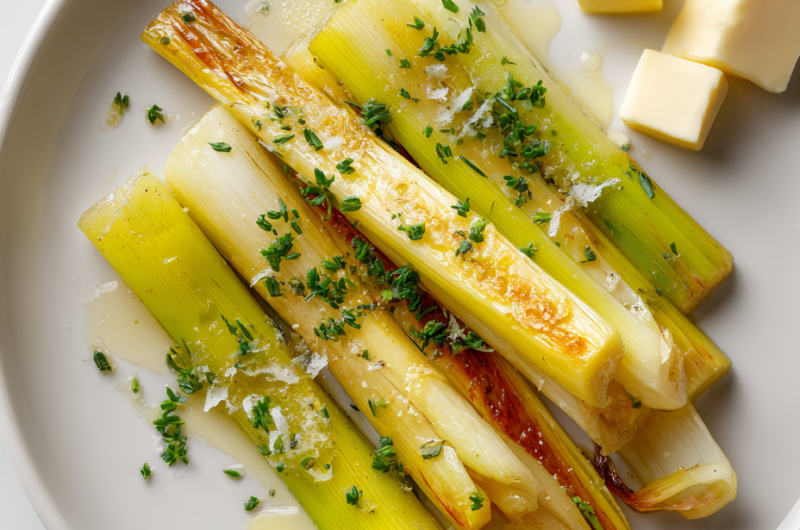
Leeks often get overshadowed by their more glamorous relatives, but when cooked right, they reveal a delicate sweetness that’s hard to beat. Sautéed in butter, they transform into a silky, fragrant side that’s surprisingly elegant despite its simplicity. It’s a recipe born out of quiet moments in the kitchen, where a humble vegetable becomes the star with just a little heat and fat.
This dish is a reminder that sometimes, the most straightforward ingredients can deliver the most satisfying results. I’ve made it countless times for weeknight dinners when I want comfort without fuss, or as a tender accompaniment to grilled meats and hearty grains. It’s the kind of thing that tastes like home, but with a touch of understated finesse.
Focusing on the underrated elegance of simple, well-cooked leeks, this recipe explores how a humble vegetable can shine in a quick, buttery side that elevates any meal.
The story behind this recipe
- I first stumbled upon this recipe during a chilly autumn weekend, when I was craving something warm and simple, yet somehow special. The smell of butter melting over gently sweating leeks instantly took me back to my grandmother’s kitchen, where she’d cook these for Sunday lunch. That memory of her quiet patience and the faint sweetness of leeks sticking to the pan has stayed with me, making this dish a comfort I return to often.
- Every time I make it, I’m reminded that good cooking doesn’t need fancy ingredients. It’s those little moments—watching the leeks soften and turn a tender, translucent gold—that make me appreciate the beauty of simplicity. It’s a humble dish, but it feels like a tiny celebration of everyday ingredients done right.
- heading
- story_type
Key ingredients and tips
- Leeks: I love the sweet, almost onion-vanilla aroma they develop as they soften; make sure to clean them thoroughly, as grit loves to hide between the layers. Swap for fennel for a slightly anise-like twist.
- Butter: I prefer grass-fed for its richer, creamier flavor that coats the leeks beautifully; if you want a dairy-free version, olive oil adds a subtle fruitiness but loses that lush mouthfeel.
- Salt: I always salt early to draw out moisture and deepen flavor; use sea salt or kosher salt for a cleaner, crisper taste that balances the sweetness.
- Pepper: Freshly cracked black pepper adds a sharp, spicy note that cuts through the richness; skip if you want a milder, more delicate dish or try white pepper for a subtler heat.
- Lemon juice (optional): A squeeze brightens the dish with a zesty punch; skip if you prefer it more mellow, or add a splash of white wine for a different layer of acidity.
- Additional aromatics (like thyme or bay leaf): I toss in a sprig of thyme for herbal complexity; omit if you want to keep it pure, or swap with a pinch of smoked paprika for smoky depth.
Spotlight on key ingredients
Leeks and Butter:
- Leeks: I love how they develop a sweet, almost vanilla aroma when they soften; ensure thorough cleaning to remove grit stuck between layers. Swap for fennel for a subtle anise note.
- Butter: I prefer grass-fed for its rich, creamy flavor that coats the leeks beautifully; for a dairy-free version, olive oil adds a fruity note but loses some lushness.
Notes for ingredient swaps
- Dairy-Free: Swap butter for olive oil or coconut oil. It won’t quite have that rich, silky mouthfeel, but it’ll still add flavor.
- Vegan: Use plant-based butter or margarine. Expect a slightly different aroma but similar melt-in-your-mouth feel.
- Salt: Sea salt or kosher salt enhances flavor more cleanly than regular table salt. Adjust based on your salt preference.
- Pepper: White pepper offers a milder, less visually obvious heat. Black pepper brings a sharper bite.
- Lemon Juice: A splash of white wine or apple cider vinegar can brighten the dish if lemon isn’t available.
- Aromatics: Add a sprig of thyme or a bay leaf for herbal complexity. Omit for a purer leek flavor, or try smoked paprika for smoky depth.
Equipment & Tools
- Skillet: To gently cook the leeks evenly
- Sharp knife: For precise chopping and trimming
- Cutting board: To prepare the leeks safely
- Measuring spoons: To measure butter and seasonings accurately
Step-by-step guide to sautéed leeks
- Gather a 25cm (10-inch) skillet, preferably non-stick or cast-iron, and a sharp knife. Set everything within reach.
- Trim the dark green tops from 3 large leeks, leaving only the tender white and pale green parts. Slice lengthwise, then chop into 1cm (half-inch) rings.
- Rinse the chopped leeks thoroughly in a bowl of cold water, swishing to dislodge any grit. Drain well and set aside.
- Place the skillet over medium-low heat (around 150°C/300°F). Add 2 tablespoons of unsalted butter, letting it melt slowly until just foaming but not browning.
- Add the cleaned leeks to the skillet. Spread them out evenly. Cook gently, stirring occasionally, for about 10-12 minutes. The leeks should become soft, translucent, and fragrant.
- If the leeks start to brown too quickly or stick, lower the heat slightly. If they seem dry, add a splash of water or a bit more butter. Keep an eye on the color—aim for a tender, golden hue.
- Taste a small piece; the texture should be silky, with a mild sweetness. If needed, cook a few more minutes until just tender.
- Remove from heat. Taste and adjust with a pinch of sea salt and freshly cracked black pepper. For brightness, squeeze a tiny bit of lemon over if desired.
- Transfer to a serving dish or plate. Let rest for a minute to settle flavors. Serve warm or at room temperature, alongside grilled meats or grains.
Let the leeks rest for a minute after cooking. Serve warm, garnished with a sprinkle of fresh herbs if desired.
How to Know It’s Done
- Leeks are tender, translucent, and slightly golden.
- The aroma is fragrant with a hint of sweetness and butter.
- Leeks should jiggle gently when moved, with no raw crunch.
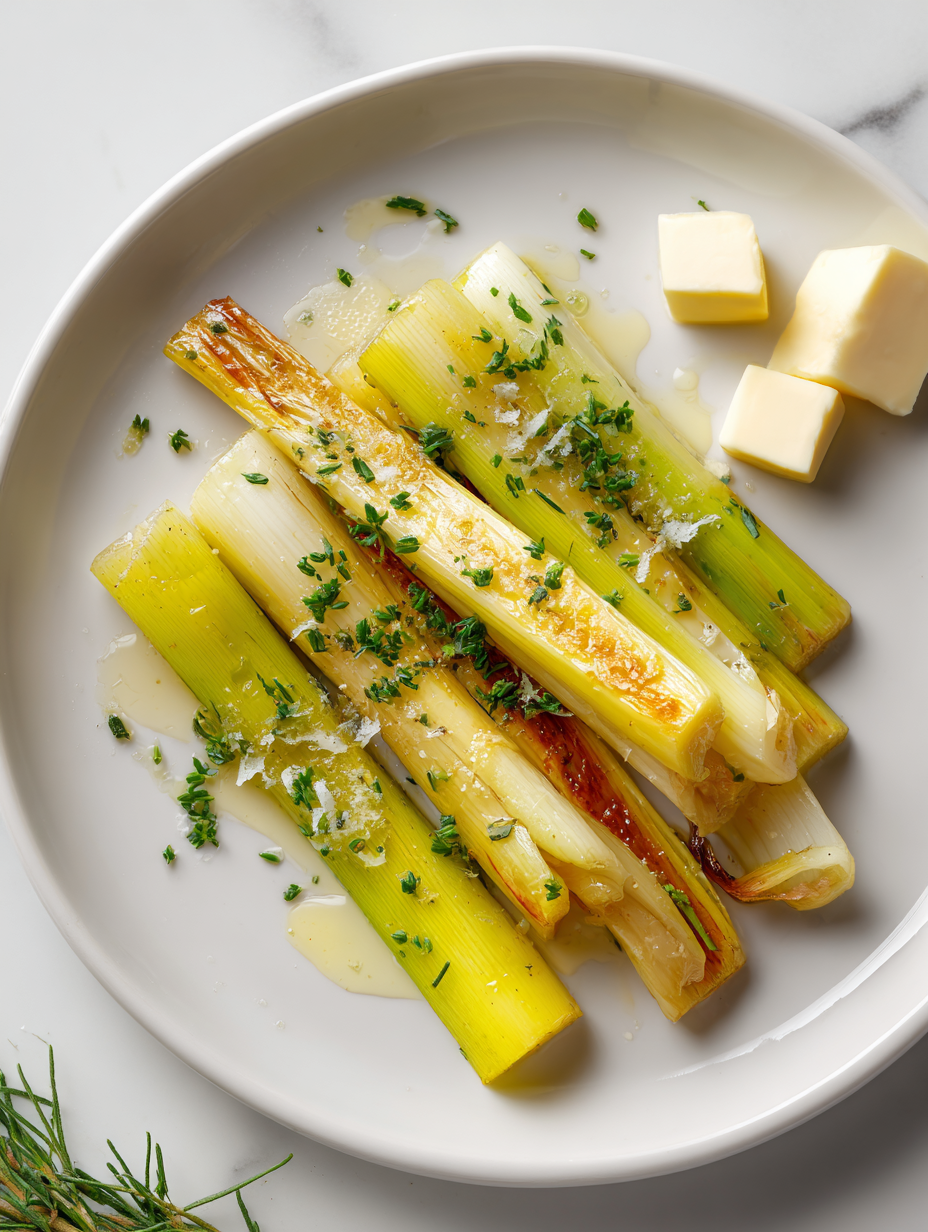
Sautéed Leeks in Butter
Ingredients
Equipment
Method
- Trim the dark green tops from the leeks, keeping the tender white and pale green parts. Slice them into 1cm rings and rinse thoroughly in cold water to remove any grit. Drain well and set aside.
- Heat a skillet over medium-low heat and add the butter, allowing it to melt slowly until it starts to foam gently, filling the kitchen with a warm, buttery aroma.
- Add the chopped leeks to the skillet in an even layer. Cook gently, stirring occasionally, until they begin to soften and turn translucent, about 10-12 minutes. You’ll notice a fragrant aroma and a slight shimmer on the surface.
- Season the leeks with a pinch of sea salt early on to enhance their sweetness. Continue cooking until they are tender and just starting to turn a light golden, with a silky texture.
- Once cooked, taste a small piece and adjust the seasoning with more salt or freshly cracked black pepper. If desired, squeeze a little lemon juice over the leeks for a bright, fresh note.
- Gently stir the leeks to distribute the seasonings evenly. Turn off the heat and let them rest for a minute, allowing flavors to deepen and the butter to coat each piece beautifully.
- Transfer the sautéed leeks to a serving dish. Serve warm as a refined side dish, or alongside your favorite grilled meats or grains for a comforting yet elegant touch.
Pro tips for perfect sautéed leeks
- Bolded mini-head: Use a gentle heat → Keeps the leeks tender and prevents browning too quickly.
- Bolded mini-head: Stir occasionally → Ensures even cooking and prevents sticking or burning.
- Bolded mini-head: Watch for translucence → Leeks should become soft, shiny, and almost see-through before finishing.
- Bolded mini-head: Adjust butter quantity → Enough to coat but not drown; too much can make it greasy.
- Bolded mini-head: Finish with a squeeze → Brightens the dish and enhances flavor contrast.
Common mistakes and how to fix them
- FORGOT to control heat; high heat burns butter, lower for gentle cooking.
- DUMPED the leeks in water; rinse gently to avoid sogginess and grit hiding.
- OVER-TORCHED butter; remove early or lower heat to prevent browning and bitterness.
- SKIPPED resting; let leeks sit for a minute to deepen flavors and improve texture.
Quick fixes and pantry swaps
- When leeks stick or burn, splash a little water to loosen and cool the pan.
- If butter browns too fast, lower the heat or add a splash of oil for control.
- DUMPED the leeks in too much water? Rinse quickly and pat dry to avoid sogginess.
- Over-torched butter? Remove from heat immediately and start with fresh butter.
- Splash some lemon juice or a pinch of salt if flavors seem dull after reheating.
Prep, store, and reheat tips
- You can prepare the leeks in advance by cleaning and slicing them the day before. Keep them submerged in water in the fridge to prevent browning; use within 24 hours for best freshness.
- Cooked leeks can be stored in an airtight container in the fridge for up to 2 days. Reheat gently over low heat, stirring occasionally, until warmed through and fragrant. Expect the texture to soften further but retain that buttery aroma.
- For longer storage, freeze cooked leeks in a freezer-safe container for up to 1 month. Thaw in the fridge overnight and reheat slowly to avoid mushiness.
- Reheating may dull the initial delicate sweetness; adding a small knob of butter or a squeeze of lemon can revive their vibrancy. The aroma will be slightly more subdued, but the flavor remains comforting.
Top questions about sautéed leeks
1. How do I pick good leeks?
Look for leeks with firm, pale stems and no dark spots. They should smell fresh and slightly sweet. If they smell sour or look slimy, avoid them.
2. How do I clean leeks properly?
Leeks can be quite gritty. Rinse them thoroughly under cold water, separating layers to dislodge dirt. A quick soak helps too.
3. What’s the best pan for sautéing leeks?
Use a non-stick or cast-iron skillet on low to medium heat. Butter should melt slowly and bubble gently, not brown or burn.
4. How do I know when leeks are cooked?
Cook the leeks until they’re translucent and just starting to turn a light golden. They should be tender but not mushy.
5. How do I prevent butter from burning?
Keep an eye on the heat to prevent burning the butter. If it starts to smell acrid or look dark, lower the heat immediately.
6. When should I season the leeks?
Add a pinch of salt early to help draw out moisture and enhance sweetness. Adjust seasoning at the end to taste.
7. Should I add lemon or vinegar?
A squeeze of lemon brightens the flavor, adding a fresh, zingy note that balances the richness of the butter.
8. What if the leeks start to stick or burn?
If the leeks stick or start to brown too quickly, add a splash of water or reduce the heat. Stir gently to loosen.
9. Can I reheat sautéed leeks?
Serve immediately for the best texture and flavor. Reheat gently if needed, adding a small knob of butter or lemon for freshness.
10. What dishes pair well with sautéed leeks?
This simple dish works well as a side for grilled meats, roasted vegetables, or mixed into grain bowls for extra flavor.
Sautéed leeks in butter might seem like a humble side, but their gentle sweetness and silky texture can elevate any plate. It’s a simple reminder that good ingredients and a little patience go a long way, especially when the season calls for comforting, understated flavors.
Whenever I make this dish, I think about how such modest ingredients can bring a sense of calm and satisfaction. It’s not flashy, but it’s honest and pure, perfect for grounding a busy week or adding a tender touch to a special meal.

Hi, I’m Isabella Cury, the creator behind Elevating Simple. Food has always been my passion, but it’s not just about creating meals—it’s about taking everyday ingredients and transforming them into something extraordinary.
My journey in the culinary world has been a blend of education, dedication, and a deep love for sharing food with others. Through this blog, I aim to inspire people to find joy in simple, flavorful cooking.


