
On busy weeknights, I reach for my crockpot without a second thought. This chickpea stew is my go-to because I can toss everything in before leaving the house and come home to a warm, fragrant pot of comfort. It’s honest, no fuss, and the kind of meal that makes you feel cared for even after a long day.
What keeps me coming back to this recipe is how layers of flavor develop slowly, even in that slow cooker. The chickpeas get tender and a little creamy, absorbing all the smoky spices and bright citrus notes. It’s simple, but it feels like a hug after a hectic day, especially when I’m craving something nourishing without the effort.
Focusing on how this crockpot chickpea stew can serve as a cozy, no-fuss comfort meal for busy weeknights, emphasizing the ease of set-it-and-forget-it cooking that still delivers deep, layered flavors.
The story behind this recipe
- This recipe was born out of a cold, rainy weekend when I needed something hearty but effortless. I remember the smell of garlic and cumin filling the kitchen as I tossed everything into the slow cooker before stepping out. When I returned hours later, the chickpeas had softened into almost a mash, and the stew had a depth I hadn’t expected from such simple ingredients.
- It’s become my fallback meal for busy days, where I want something warm and filling without fuss. Each time I make it, I think about how a few pantry staples and patience can turn into real comfort. It’s honest food, made easy, and that’s what keeps me coming back.
- heading:
Key ingredients and tips
- Chickpeas: I use canned chickpeas for convenience, but if you soak dried ones overnight, they’ll be even creamier and more tender. Rinse well to remove that slightly metallic can smell.
- Coconut Milk: I love using full-fat coconut milk for richness and a velvety texture. If you prefer lighter stew, swap half with vegetable broth, but the flavor won’t be as lush.
- Tomatoes: Canned diced tomatoes add acidity and brightness. If fresh tomatoes are in season, I sometimes blitz them first for a fresher, juicier punch.
- Spices: The cumin and smoked paprika give it warmth and depth. Toast the spices briefly before adding them to boost their aroma—smoky, almost like a quiet campfire in your kitchen.
- Lemon: A squeeze of fresh lemon at the end brightens everything up. Skip it if you want a milder stew, but honestly, it’s the zing that cuts through the richness.
- Vegetables: Carrots and spinach are my go-tos, but bell peppers or zucchini can sneak in easily. Chop them small so they cook down into the stew’s comforting mash.
- Olive Oil: A drizzle at the start and finish adds a subtle fruity note. Use good quality—trust me, it makes a difference when you’re spooning this into your bowl.
Spotlight on key ingredients
Chickpeas & Coconut Milk:
- Chickpeas: I use canned chickpeas for quick convenience, but dried soaked ones become creamier and more tender. Rinse thoroughly to remove any metallic smell.
- Coconut Milk: I prefer full-fat for a velvety, rich stew, but swapping half with broth keeps it lighter without losing flavor. Watch for that luscious, oozing texture.
Notes for ingredient swaps
- Canned Chickpeas: I use canned for convenience, but soak dried chickpeas overnight for extra creaminess and richer flavor. Rinse well to remove metallic can taste.
- Coconut Milk: I prefer full-fat for a velvety richness, but you can swap half with vegetable broth for a lighter, less sweet stew.
- Tomatoes: Canned diced tomatoes bring brightness, but fresh tomatoes in season can be blitzed for a fresher, juicier punch.
- Spices: Toast cumin and smoked paprika briefly before adding—this boosts aroma and adds a smoky depth that’s hard to replicate otherwise.
- Lemon: A squeeze at the end brightens everything up—skip if you want milder, but honestly, it’s the zing that makes it sing.
- Vegetables: Carrots and spinach are my defaults, but bell peppers or zucchini work too. Chop small so they soften into that comforting mash.
- Olive Oil: Use good quality olive oil for that subtle fruity note—trust me, it makes a difference in the final flavor.
Equipment & Tools
- Crockpot/slow cooker: To cook everything slowly and evenly without fuss.
- Skillet or small pan: To toast spices and develop aroma.
- Chopping board and knife: For preparing vegetables and garlic.
- Measuring spoons: To measure spices and liquids accurately.
- Ladle or spoon: For stirring and serving.
Step-by-step guide to chickpea stew
- Gather all ingredients: canned chickpeas, coconut milk, diced tomatoes, spices, vegetables, olive oil, lemon, salt, and pepper. Have a measuring spoons and chopping board ready.
- Drain and rinse the chickpeas thoroughly to remove metallic can taste. Set aside.
- Chop vegetables: carrots into small dice, spinach roughly chopped if large. Keep handy.
- In a skillet over medium heat (about 160°C/320°F), toast cumin and smoked paprika for 30 seconds until fragrant. Immediately transfer to a small bowl.
- Add a drizzle of olive oil to the crockpot. Toss in the toasted spices, minced garlic, and a pinch of salt. Sauté for 2-3 minutes until the garlic is fragrant and slightly golden.
- Pour in the canned diced tomatoes and coconut milk. Stir well to combine and loosen any bits stuck to the bottom.
- Add the chickpeas, carrots, and a bit more salt. Stir everything and set the crockpot to low (about 90°C/195°F). Cook for 6-8 hours or until vegetables are tender and flavors meld.
- Halfway through cooking, check the stew. If it seems too thick, add a splash of vegetable broth. Adjust seasoning if needed.
- Once done, stir in the spinach until wilted, about 5 minutes. Squeeze fresh lemon juice over the stew for brightness.
- Taste and adjust salt or lemon if needed. If you prefer a creamier texture, mash some chickpeas with a fork directly in the pot.
- Pour into bowls, drizzle with a little olive oil, and serve hot.
Once cooked, turn off the crockpot and let the stew sit for 5 minutes. Stir in lemon juice, then ladle into bowls. Finish with a drizzle of olive oil and a sprinkle of fresh herbs if desired.
How to Know It’s Done
- Stew is thick and bubbling gently around the edges after 6-8 hours.
- Chickpeas are soft and mash easily when pressed against the side of a spoon.
- Vegetables are tender but not mushy, with vibrant colors and inviting aroma.
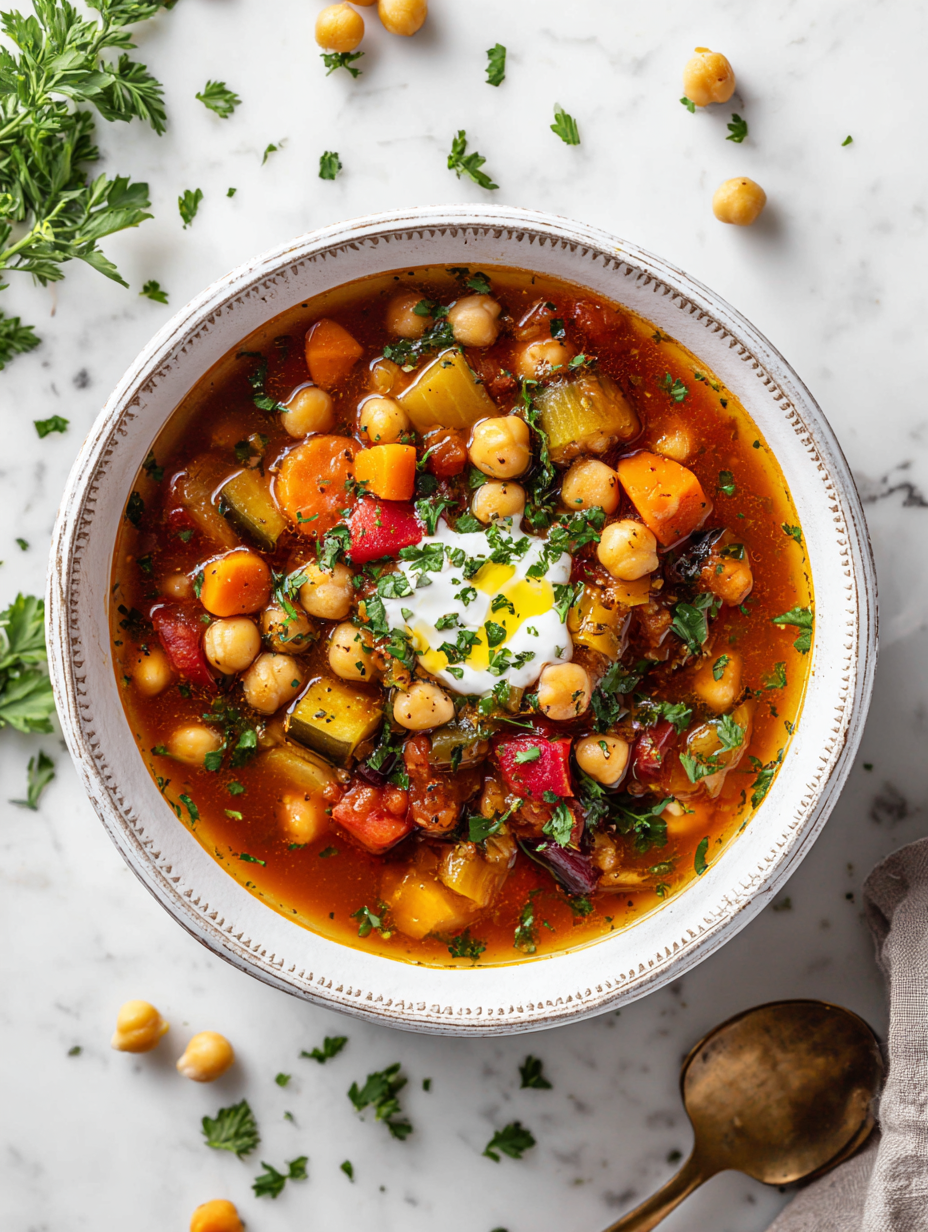
Crockpot Chickpea Stew
Ingredients
Equipment
Method
- Drain and rinse the chickpeas thoroughly under cold water to remove any metallic can taste. Chop the carrots into small, even pieces and roughly chop the spinach.
- In a skillet over medium heat, toast the cumin and smoked paprika for about 30 seconds until fragrant, stirring constantly to release their aroma. Transfer the toasted spices to a small bowl.
- Add a tablespoon of olive oil to the crockpot. Toss in the minced garlic and a pinch of salt, then sauté for 2-3 minutes until the garlic is fragrant and just starting to turn golden.
- Pour in the diced tomatoes and coconut milk, stirring well to combine and loosen any bits stuck to the bottom of the pot. Add the chickpeas and carrots, then sprinkle in the toasted spices.
- Set the slow cooker to low and cook for 6-8 hours, until the chickpeas are tender and the flavors have melded into a thick, fragrant stew. Check halfway through and add a splash of vegetable broth if it seems too thick.
- About 10 minutes before the stew is ready, stir in the chopped spinach and let it wilt into the hot stew. Squeeze fresh lemon juice over the top for brightness and stir to combine.
- Taste the stew and adjust seasoning with salt and pepper as needed. For a creamier texture, mash some chickpeas with a fork directly in the pot.
- Serve the stew hot, garnished with a drizzle of olive oil if desired. Enjoy the thick, velvety texture and layered flavors with your favorite crusty bread or rice.
Notes
Pro tips for chickpea stew
- Spices: Toast cumin and smoked paprika briefly before adding for a smoky, fragrant boost.
- Layer Flavors: Sauté garlic and spices in olive oil to develop depth right from the start.
- Check Consistency: If stew thickens too much, stir in a splash of vegetable broth mid-cook.
- Taste as You Go: Adjust salt and acidity with lemon juice after cooking for a bright finish.
- Vegetable Timing: Add greens like spinach near the end to keep their vibrant color and fresh flavor.
- Lid On or Off: Keep the lid on during slow cooking to trap flavors, but uncover at the end to reduce excess liquid.
- Mash for Creaminess: Use a fork to mash some chickpeas before serving if you want a thicker, creamier stew.
Common mistakes and how to fix them
- FORGOT to check seasoning? Taste and adjust salt or acidity before serving.
- DUMPED ingredients in too early? Add delicate greens at the end to avoid overcooking.
- OVER-TORCHED the stew? Lower heat or remove lid to prevent burning and bitterness.
- UNDERESTIMATED cooking time? Let it cook longer until chickpeas are mashable and stew is thick.
Quick fixes and pantry swaps
- When stew is too thick, splash in hot water and stir to loosen.
- If spices taste dull, splash with a tiny bit of vinegar or lemon juice to brighten.
- DUMPED too many vegetables? Add an extra can of chickpeas for substance.
- Overcooked greens? Splash with cold water and quick sauté to refresh texture.
- Splash a pinch of smoked paprika if stew lacks smoky depth after cooking.
Make-Ahead & Storage Tips
- Prep ingredients: drain and rinse chickpeas, chop vegetables, and toast spices a day ahead for quicker assembly.
- Store cooked stew in an airtight container in the fridge for up to 3 days; reheat gently on the stove, smelling for fragrant warmth and a slight simmer.
- For longer storage, freeze in portions for up to 3 months; thaw overnight in the fridge and reheat until steamy and bubbling.
- Reheat stew on low heat, stirring occasionally. Expect flavors to deepen and the aroma to become even more inviting after sitting overnight.
Top questions about crockpot chickpea stew
1. Can I use dried chickpeas instead of canned?
Use canned chickpeas for convenience, but soaked dried ones will be creamier and tenderer. Rinse well to remove metallic can taste.
2. Can I substitute coconut milk with something else?
Full-fat coconut milk adds a rich, velvety texture. If you want it lighter, swap half with vegetable broth, but expect less creaminess.
3. Can I use fresh tomatoes instead of canned?
Yes, fresh tomatoes work well in season. Blend them first for a brighter, juicier flavor instead of canned diced tomatoes.
4. Should I toast the spices first?
Toasting spices like cumin and paprika beforehand boosts their aroma, giving the stew a smoky, warm depth that’s hard to beat.
5. When should I add lemon juice?
A squeeze of lemon brightens the stew, balancing the richness. Add at the end for a fresh, zesty finish.
6. Can I add other vegetables?
Chop vegetables small so they soften into that comforting mash. Carrots and spinach are my staples, but peppers work too.
7. Can I skip the olive oil?
Use good-quality olive oil for both sautéing and drizzling. It enhances the flavor with subtle fruity notes that make a difference.
8. What if the stew gets too thick?
If the stew is too thick, stir in a splash of vegetable broth during cooking. It keeps the texture just right.
9. How do I know when the chickpeas are done?
Overcooking can make chickpeas mushy. Check tenderness by pressing against a spoon, aim for soft but not falling apart.
10. When should I add greens?
Stir in greens like spinach at the end of cooking to keep their vibrant color and fresh flavor.
This stew isn’t just about comfort; it’s about those quiet moments when the kitchen smells like home and you realize how simple ingredients can come together into something deeply satisfying. It’s perfect for a busy weeknight, offering warmth and nourishment without any fuss. When the chickpeas break down and the spices linger, it’s like a little reward for making it through another day.
And honestly, it’s one of those dishes that tastes better the next day, as the flavors meld and deepen. Sometimes, I find myself craving that rich, smoky aroma just as much as the first spoonful. It’s a reminder that good, honest food can be effortless and still feel like a small celebration.

Hi, I’m Isabella Cury, the creator behind Elevating Simple. Food has always been my passion, but it’s not just about creating meals—it’s about taking everyday ingredients and transforming them into something extraordinary.
My journey in the culinary world has been a blend of education, dedication, and a deep love for sharing food with others. Through this blog, I aim to inspire people to find joy in simple, flavorful cooking.


