
This crockpot white bean soup is my go-to when I want something nourishing without fuss. The slow cooker does all the heavy lifting, letting the beans soften up perfectly and the flavors meld into a creamy, comforting broth. It’s a simple way to fill the house with a cozy, inviting smell that makes everyone come to the kitchen.
What I love most about this recipe is how forgiving it is. No need to fuss over exact timings or stirring—just dump, set, and forget. It’s the kind of meal that feels like a warm hug after a busy day, especially when the weather turns chilly and I crave something hearty but easy to throw together.
This recipe is inspired by the quiet joy of slow mornings, where I find comfort in letting the beans simmer gently all day. It’s about embracing the unpolished, imperfect moments of cooking—no rush, just patience and a pot that does its quiet magic. I love how this soup becomes a warm hug, especially on days when life feels a bit chaotic or when I need a reminder to slow down.
The story behind this recipe
- This recipe is born from those chilly mornings when I crave something warm but don’t want to spend ages fussing in the kitchen. I remember the first time I threw everything into the slow cooker before leaving for work, only to come home to a kitchen filled with the rich, earthy smell of beans and herbs. It made me realize how little effort can still serve up big comfort.
- Over the years, I’ve tweaked it to be as forgiving as possible—more garlic, a splash of lemon, a pinch of smoked paprika—whatever makes it feel like my own. It’s become a staple for busy days, lazy weekends, or when I need a reminder that simple, honest food can be deeply satisfying.
- heading
- story_type
Ingredient breakdown: key components
- Dried white beans: I love how they soften into a silky, almost creamy texture after hours in the slow cooker—skip canned for the real deal, but if you’re pressed, canned works in a pinch and shortens prep time.
- Vegetable broth: I prefer a good, low-sodium broth that lets the beans shine—add a splash of lemon or vinegar at the end for brightness, especially if your broth is on the dull side.
- Onion and garlic: These aromatics form the flavor base—sauté them briefly before adding to boost their sweet, fragrant notes, but if you’re in a rush, toss them in raw; they’ll mellow and meld during cooking.
- Carrots: They add a gentle sweetness and a pop of color—chop them small so they cook down into the broth, releasing a subtle earthy aroma that makes the soup feel hearty and fresh.
- Herbs and spices: I often toss in a bay leaf and a pinch of smoked paprika—smoke gives a cozy depth, but if you prefer lighter flavor, skip the paprika and just go with thyme or parsley for freshness.
- Olive oil: A drizzle at the end adds a velvety finish and boosts flavor—use a good quality extra virgin for that fruity, peppery kick that really wakes up the soup.
- Lemon or vinegar (optional): Brightens everything up—add right before serving for a zing that cuts through the richness, especially if the beans turn out a bit dull or flat.
Spotlight on key ingredients
White beans:
- Dried white beans: I love how they soften into a silky, almost creamy texture after hours in the slow cooker—skip canned for the real deal, but if you’re pressed, canned works in a pinch and shortens prep time.
- Vegetable broth: I prefer a good, low-sodium broth that lets the beans shine—add a splash of lemon or vinegar at the end for brightness, especially if your broth is on the dull side.
Aromatics and herbs:
- Onion and garlic: These aromatics form the flavor base—sauté them briefly before adding to boost their sweet, fragrant notes, but if you’re in a rush, toss them in raw; they’ll mellow and meld during cooking.
- Herbs and spices: I often toss in a bay leaf and a pinch of smoked paprika—smoke gives a cozy depth, but if you prefer lighter flavor, skip the paprika and just go with thyme or parsley for freshness.
Notes for ingredient swaps
- Dried white beans: I prefer cooking from scratch for that earthy, silky texture—canned beans are quicker, but slightly softer.
- Vegetable broth: Use homemade or boxed broth; if dull, add a splash of lemon juice or vinegar for brightness.
- Onion and garlic: Sauté briefly for sweetness or toss in raw if you’re pressed for time; both mellow during cooking.
- Carrots: Substitute parsnips for a sweeter, milder flavor or omit if you want a more minimalist broth.
- Herbs and spices: Bay leaf and smoked paprika add depth—swap with thyme or cumin for different aromatic layers.
- Olive oil: Finish with a drizzle of good quality olive oil for velvety richness—avocado oil works as a neutral alternative.
- Lemon or vinegar: Brighten the soup with a squeeze of lemon or a splash of vinegar—apple cider vinegar adds a fruity tang.
Equipment & Tools
- Slow cooker: Cook the beans slowly, allowing flavors to develop gently.
- Knife: Prep vegetables and herbs.
- Cutting board: Provide a stable surface for chopping.
- Stirring spoon: Mix ingredients during cooking and adjust seasoning.
- Measuring cups: Ensure accurate ingredient portions.
- Immersion blender (optional): Puree part of the soup directly in the pot for a creamier texture.
Step-by-step guide to white bean soup
- Equipment & Tools: Gather your slow cooker, knife, cutting board, stirring spoon, and measuring cups. The slow cooker is your main vessel, and the knife and cutting board help prep ingredients.
- Rinse 1.5 cups of dried white beans thoroughly under cold water. Pick out any debris or misshapen beans. Soaking isn’t necessary but can reduce cooking time; if soaked, do so for 4-6 hours and drain.
- Chop 1 large onion into small dice, about 1/4 inch pieces. Mince 3 cloves of garlic finely. These aromatics will form the flavor base.
- Toss the rinsed beans into the slow cooker. Add the chopped onion and garlic on top. Pour in 6 cups of vegetable broth. Stir gently to distribute ingredients evenly.
- Add 1 sliced carrot, a bay leaf, 1 teaspoon smoked paprika, and a pinch of salt and pepper. These add depth and sweetness. Cover with lid.
- Set the slow cooker on low for 8 hours or high for 4-5 hours. During this time, the beans will soften and absorb the flavors. Check occasionally if you’re around.
- Step 6a: After cooking, open the lid. The beans should be very tender and breaking apart. If not, cook longer in 30-minute increments.
- Step 6b: Use a fork or immersion blender to mash some of the beans directly in the pot for a creamier texture if desired. Be gentle, so you don’t turn the soup entirely pureed unless that’s your preference.
- Step 6c: Taste and adjust salt, add a squeeze of lemon or splash of vinegar for brightness, if needed.
- Resting & Finishing: Let the soup sit for 10 minutes off heat. Remove the bay leaf. Drizzle with a dash of good olive oil and freshly chopped parsley before serving. Ladle into bowls and enjoy the warm, fragrant aroma.
Allow the soup to rest off heat for 10 minutes to settle flavors. Remove bay leaf, drizzle with olive oil, and sprinkle chopped herbs. Serve hot in bowls, accompanied by crusty bread if desired.
How to Know It’s Done
- Beans are very soft and slightly breaking apart
- Aroma of garlic, onion, and smoked paprika is fragrant and inviting
- Soup has a slightly creamy, velvety texture with some beans mashed
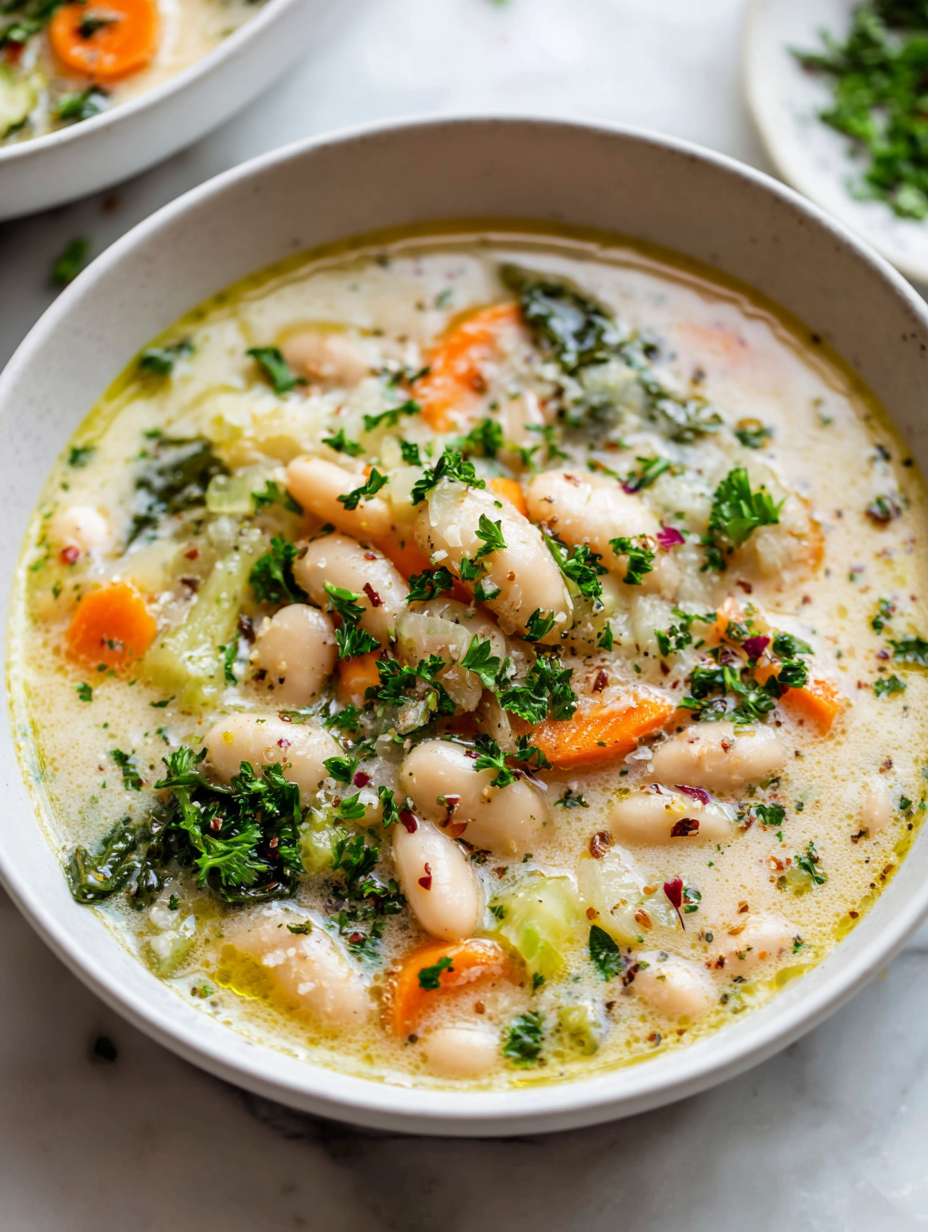
Crockpot White Bean Soup
Ingredients
Equipment
Method
- Rinse the dried white beans thoroughly under cold water, picking out any debris or misshapen beans. If you have time, soak them in water for 4-6 hours to reduce cooking time, then drain.
- Chop the onion into small, even dice and mince the garlic cloves finely. These aromatics will add flavor to the broth.
- Add the rinsed beans into your slow cooker. Toss in the chopped onion and minced garlic on top.
- Pour in the vegetable broth, making sure the beans and vegetables are fully submerged. Stir gently to combine everything evenly.
- Layer the sliced carrot, bay leaf, and smoked paprika over the beans. Season with a little salt and pepper.
- Cover the slow cooker with the lid and set it to low for 8 hours, or high for about 4-5 hours. Let the beans soften and flavors meld during this time — your kitchen will fill with a fragrant aroma.
- Once cooking is complete, open the lid and check the beans. They should be very tender and starting to break apart. If they’re still firm, continue cooking in 30-minute increments until soft.
- If you prefer a creamier soup, use an immersion blender to puree some or all of the beans directly in the pot. Be gentle if you want some texture remaining.
- Taste the soup and adjust salt and pepper as needed. Add a squeeze of lemon juice or a splash of vinegar for a bright, fresh finish.
- Remove the bay leaf, drizzle the soup with a tablespoon of good olive oil, and sprinkle with chopped herbs if desired. Serve hot, enjoying the comforting aroma and creamy texture.
Notes
Pro tips for perfect white bean soup
- BOLD STARTER: Use a splash of olive oil to sauté aromatics—this releases their sweet, fragrant oils and builds flavor from the ground up.
- SENSORY CHECK: When beans are tender and slightly breaking apart, that’s your cue they’re ready—trust the texture, not just the clock.
- TECHNIQUE TIP: If the soup looks too thick after cooking, stir in a little hot water or broth to loosen it up, then adjust seasoning as needed.
- MINIMIZE MESS: Use an immersion blender directly in the pot to puree part of the soup—less dishes, more control over creaminess.
- FINAL TOUCH: Add a squeeze of lemon or splash of vinegar right before serving—this brightens the broth and elevates the earthy beans.
Common mistakes and how to fix them
- FORGOT to check bean softness → Test with a fork; they should be very tender and breaking apart.
- DUMPED in too much salt → Rinse beans thoroughly if using canned; adjust salt after cooking.
- OVER-TORCHED the soup → Keep an eye during the last hour; stir occasionally to prevent sticking.
- DIDN’T adjust seasoning → Taste and adjust salt, acid, and herbs before serving for balanced flavor.
Quick Fixes and Pantry Swaps
- If the soup is too thick, splash in hot water and stir until loosened.
- When beans aren’t tender, extend cooking time and check every 30 minutes.
- Splash a bit of vinegar or lemon when flavors taste dull or flat.
- Patch over a burnt bottom by transferring to a new pot, avoiding the scorched bits.
- Shield the soup from over-torquing by stirring more often during the last hour.
Make-Ahead and Storage Tips
- Prep the beans and chop vegetables the night before; they’ll soak up flavors and save time the next day. The house will smell earthy and inviting.
- Store cooked or soaked beans in an airtight container in the fridge for up to 3 days; the beans keep their soft, creamy texture and the broth stays flavorful.
- Soup can be made a day ahead; store in the fridge and gently reheat on the stove over low heat, stirring occasionally, until steaming and fragrant.
- For longer storage, freeze portions in airtight containers for up to 3 months. When reheating, expect a richer, slightly more concentrated flavor—add a splash of water or broth to loosen it up.
FAQs about Crockpot White Bean Soup
1. Can I use canned white beans instead of dried?
Use dried beans if you want a creamier, more earthy flavor. Canned beans work in a pinch and save time, but tend to be softer and less textured.
2. Should I add acid like lemon or vinegar?
Add a splash of lemon juice or vinegar at the end to brighten the flavors. It cuts through the richness and enhances the earthy beans.
3. How do I know when the soup is done?
Cook on low for about 8 hours or high for 4-5 hours. The beans should be very tender and slightly breaking apart. If not, cook longer and check again.
4. How often should I stir during cooking?
Stir the soup occasionally during cooking to prevent sticking. Use a wooden or silicone spoon for gentle stirring and to keep the beans intact.
5. My soup is too thick—what do I do?
If the soup is too thick, stir in a little hot water or broth until it reaches your preferred consistency. Adjust seasoning afterward if needed.
6. How should I store and reheat leftovers?
Store in an airtight container in the fridge for up to 3 days. Reheat gently on the stove, stirring occasionally, until steaming hot. The flavors deepen slightly overnight.
7. Can I freeze this soup?
You can freeze the soup for up to 3 months. Thaw in the fridge overnight and reheat slowly on the stove, adding a splash of water or broth to loosen it up.
8. Should I soak the beans beforehand?
Yes, soaking the beans overnight reduces cooking time and makes them easier to digest. Rinse well before adding to the slow cooker.
9. Can I change the spices?
Adjust the spices to your taste. Smoked paprika adds depth, but a pinch of cumin or thyme can also complement the earthy flavor nicely.
10. Can I blend the soup?
Yes, for a creamier texture, use an immersion blender to puree part of the soup after cooking. Be gentle to keep some beans whole for texture.
This soup feels like a quiet moment made tangible—simple, honest, and warm. It’s the kind of dish that reminds me how nourishing gentle patience can be, especially on busy days or when I need a little comfort in a bowl.
There’s a quiet satisfaction in knowing this humble soup can feed a crowd or just warm my own hands on a chilly evening. It’s imperfect, unpolished, and exactly what I need right now.

Hi, I’m Isabella Cury, the creator behind Elevating Simple. Food has always been my passion, but it’s not just about creating meals—it’s about taking everyday ingredients and transforming them into something extraordinary.
My journey in the culinary world has been a blend of education, dedication, and a deep love for sharing food with others. Through this blog, I aim to inspire people to find joy in simple, flavorful cooking.


